

Hunza Valley in Pakistan’s magnificent Gilgit-Baltistan region might just be the most beautiful place in the world.
The crown jewel of the country, the places to visit in Hunza are sure to blow your mind and steal your heart.
As someone who personally hates “popular” tourist destinations and allows heads off the beaten path, I’ll be the first to tell you all the Hunza tourist spots are worth the hype!
I’ve explored the valley from top to bottom and now call this place home. Hunza is very much worth every ounce of praise it receives. It really is the Shangri La it was termed by early travelers many decades ago
So without further delay, here are 15 EPIC places to visit in Hunza Valley, Pakistan!

What is the Best Time to Visit Hunza Valley?
The best time to visit Hunza, in general, is June-September. Hunza’s weather is simply divine during this period is minimal rain and opportunities for lake swimming.
This is also prime trekking season, and saying there are a lot of treks in and around Hunza is a massive understatement.
The most magical time to visit though is from around October 31st – November 15th when fall foliage turns all of the places in Hunza Valley into an autumnal wonderland. This is also a good time to begin traveling Pakistan from North to South.
The 15 Best Places to Visit in Hunza Valley
Budget backpacker or honeymooner, these are 15 of the most AMAZING tourist places to visit in Hunza Valley!
Karimabad
Awe, one of the most famous place to travel in Hunza Valley, and for good reason! Karimabad is a picturesque village that should be on every Pakistan itinerary.
Karimabad is located in Central Hunza, and is reachable via a winding road from the KKH.

The village features cobblestone streets, numerous cafes, and a bazaar where you can shop for cute traditional Hunza-ware until you drop, and peaceful, majestic views.
- Why it’s epic: Karimabad is situated far away from the road and is a beautiful representation of a “modern” village. It holds centuries of history including the iconic Baltit Fort which is over 700 years old!
What to do in Karimabad
Altit Fort
The Altit Fort, which is located in a separate village from Karimabad called Altit, is over 700 years old and was used by the Mirs of Hunza before they began to use the Baltit Fort.
Entry to the fort includes a tour and a bit of a history and conservation lesson about this fascinating historical place in Pakistan.

The interior of the fort is stunning and you can get an INSANE view of the Hunza River from the outside of it.
- Why it’s epic: It’s nearly a 1000 year old fort, need I say more? But seriously, a visit to this fort gives you a deeper look into Hunza’s ancient history. It’s one of the most famous places in Hunza Valley.
Things to Know Before Visiting the Altit Fort
Eagle’s Nest
The “Eagle’s Nest” it’s called is a magnificent viewpoint in the village of Duikar. This is hands down one of the best places to see in Hunza because the view is well, unreal to put it lightly.

From the top, which is a rocky top with various interesting rock formations, you can see all of Central Hunza, Rakaposhi Mountain, Spantik Peak, the Karakoram Highway and more!
Keep in mind Duikar is HIGH UP, and while you technically could walk there as a day hike, it’s STEEP and from the “Zero Point” of Karimabad would take several hours to reach.
If you don’t have your own ride, hitchhiking or paying for a taxi is deffs worth it.
The best time to visit Eagle’s Nest is actually at sunrise to beat the time because sunset can deff get crowded, especially in peak summer.
Visiting in shoulder seasons like the months of April or November also means few people, even at sunset.
Things to Know Before Visiting Eagle’s Nest
Aliabad
Aliabad is Central Hunza’s main market town, and somewhere you’ll end up heading sooner or later if you spend long enough traveling in Hunza.
Though Aliabad is often dismissed as not having anything to offer, it actually has some AMAZING and cheap food options that deff don’t exist in Karimabad, as well as some killer second hand shops.

You can get everything from trekking gear, shoes of any kind, and imported leggings from major international brands at second-hand shops!
You can also find high-quality, new gear at many places in Aliabad too. But Aliabad isn’t just food and markets.
Like Karimabad, it’s set against a mountain and has a lot of amazing viewpoints if you know where to look 😜
What to do in Aliabad
Travel Tip:
You can find shared public jeeps to virtually anywhere in the region from the bus stand in Aliabad.
Places to Visit in Upper Hunza (Gojal)
These are all of the iconic tourist spots in Upper Hunza, which is also known as Gojal and essentially begins at Attabad Lake.
Attabad Lake
Turquoise blue like you wouldn’t believe, the Attabad Lake is perhaps the most famous place in Hunza and sits alongside the Karakoram Highway just before the village of Shishkat.
When enjoying Attabad though, it’s important to remember its history. You see, unlike the Passu Cones or the Altit Fort, Attabad isn’t a natural lake or a carefully constructed fortress.
On January 4th, 2010, a massive landslide destroyed the village of Attabad which also blocked the Hunza River. Many died, and more were displaced or heavily inconvenienced for years.

…Which is why my biggest recommendation when visiting Attabad Lake is to support locals of the area by supporting local businesses of which there are many all around the 21 km-long lake.
Yup, while the circular part of the lake with various water activities borders Shishkat, you can see narrower parts of Attabad Lake starting from Salmanabad, before the KKH tunnels.
Even after seeing it dozens of times by now, this is one of the things to see in Hunza that’s even better in person than pictures make it seem. It’s undoubtedly one of South Asia’s most beautiful landmarks these days.
- Why it’s epic: It’s a rare phenomenon in the form of a SUPER BRIGHT BLUE LAKE set against a mountainous backdrop. Need I say more?
Things to do at Attabad Lake
Travel Tip:
You can get an EPIC view of Attabad Lake from several meadows that surround it.
However, to do even a small part in preventing these places from being trashed, I’m not going to share the name!
Ask locals about them and be prepared for quite a hike ;)
Gulmit
A sprawling and picturesque village you can’t miss as you travel the Karakoram Highway, Gulmit is a lovely combination of Gojali culture and majestic views.
You’ll know you’ve reached Gulmit once you’ve crossed the iconic Gulmit-Shishkat bridge which gives you the first real look of the towering Passu Cathedral AKA the Passu Cones.

Gulmit is a lovely village because it not only features unique cultural spots that other places in Hunza don’t have, but it also has plenty of opportunities for infrequently-seen viewpoints from its many hilly roads.
- Why it’s epic: Besides its incredible viewpoints, Gulmit has numerous unique tourist spots that give a better look into the beautiful Hunza culture.
Things to Do in Gulmit
Ghulkin
If you like Gulmit, get ready to love Ghulkin. Completely hidden from the road, you can reach Ghulkin by making a turn at the sign for “Jannat Ghulkin.”
The vast village is one of my favorites in Hunza complete with plenty of incredible views of the Passu Cones and beyond!

What really makes Ghulkin stand out is its plethora of trekking opportunities, including the best day hike I’ve ever been on.
- Why it’s epic: Bucolic village vibes, welcoming people, and some of Pakistan’s BEST trekking opportunities!
Things to Do in Ghulkin
Hussaini Bridge
Dubbed the most dangerous bridge in the world, I wouldn’t exactly give the Hussaini Bridge that title (it was semi-recently renovated), but it’s for sure one of those places to visit in Hunza that you just can’t miss.
The bridge can be found at the end of a dirt path, and there are plenty of places for snacks nearby.

If you really want to take bridge walking to another level, you can do a full-day trek across the Hussaini Bridge and through the summer settlement of Zarabad.
Eventually, you’ll find yourself at the Passu Bridge, which is not only longer but SIGNIFICANTLY scarier!
If you plan on doing this day hike, download Maps.me beforehand as it has the best coverage of the area.
Things to Know About Visiting the Hussaini Bridge
Borith Lake
Love to swim? Then you can’t miss Borith Lake. The unique saltwater lake is settled beneath mountain peaks up a dirt off-road track best plied by 4x4s or motorbikes.
The lake sits at 2600 m and is simply the best place to be in Hunza on a hot, sunny day.
If you keep driving from Borith Lake, you’ll encounter a “Zero Point” where you can’t drive any further.

This is not only a great Passu Cones viewpoint but also the start of the amazing multi-day trek to Patundas, a meadow that overlooks the nearby Batura Glacier.
- Why it’s epic: It’s an AMAZING place to swim as the water is unusually warm. The lake is also a fab place to camp in Hunza during summers.
Things to Do at Borith Lake
Passu
Passu, famous for the mesmerizing Passu Cones, is a tourist spot in Hunza that is worth every ounce of praise it receives.
The Passu Cathedral as it’s called simply doesn’t get old, and ironically despite being more remote than some other places on this list, Passu has one of the best restaurants literally ever.

The small village even has its own glacier, which can be awed from the KKH and actually trekked upon too!
Passu also has a backpacker / budget-traveler-friendly stay option which I absolutely loved to see as most places to stay in Hunza are on the pricier side.
- Why it’s epic: Google Passu Cones. That’s it, that’s the sentence!
Things to Do in Passu
Avgarch
Spelled “Obgarch” on Google Maps, this historic destination is one of the coolest places in Hunza Valley and is only accessible via a scenic (but relatively easy) trek.
Avgarch was the first settlement of Hunza Valley, and the original residents are Wakhi speaking folks that came via Chapursan from the Wakhan Corridor over 600 years ago.
Today, you can still see the ancient masjid and watchtower in the old village square, and several people live in Avgarch year-round.

There is a brown sign on the KKH that marks the beginning of the trail to Avgarch, which goes a bit through the village of Jamalabad.
From the road, it’s 10 km to the village but relatively flat, so people in decent shape can reach in about 3 hours.
- Why it’s epic: It’s a more than 600-year-old village that’s still standing, and the trek there is simply beautiful.
Things to Do in Avgarch
Shimshal Valley

Shimshal Valley, a remote valley in Hunza, is around 5 hours or so from Passu. The stunning route was only completed in 2003 and took more than a decade to build.

This beautifully secluded place in Hunza is well worth the journey though, which is perhaps one of the most stunning roads I’ve ever seen not just in Pakistan, but anywhere
Shimshal is HUGE, so be prepared to be a bit shocked by its size.
And to think it’s even bigger than you can imagine with pastures belonging to Shimshalis stretching deep into the mountains.
Speaking of massive peaks, Shimshal is an adventure traveler’s dream with dozens of mountains, several glaciers, along with endless trekking, skiing, and climbing opportunities.
It’s also filled with the cutest Pakistani animal (in my opinion!): the majestic yak!
- Why it’s epic: Neverending trekking opportunities, one of the most dangerous roads in the world, peaceful living, and fluffy yaks by the hundreds in the pastures.
Things to Do in Shimshal Valley
Chapursan Valley
Chapursan Valley is another offbeat place to visit in Hunza that most miss. And they are missing A LOT.
Chapursan is similar to Shimshal in terms of the amount of time it takes to reach the end of the valley, but it’s quite different in numerous ways.
For one, villages are spread throughout the Chapursan Valley road instead of there being just one main one in Shimshal.
Chapursan is also situated on the opposite side of the KKH than Shimshal and is reachable via a decent-ish off-road that begins a little after Sost.

As of 2021, Chapursan only has 2G SCOM signal making it the truly perfect place to disconnect and get into nature.
Home of fascinating folk tales, Chapursan is mostly a place in Hunza for nature fanatics.
AND it happens to be home to the most spiritual place I’ve ever experienced: the Baba Ghundi Shrine past 30 minutes from Zhoodkun, the last village of the valley.
- Why it’s epic: The end of the world feels, the red Martian rocks, and a historical shrine where you can literally cut the energy inside with a knife!

Things to Do in Chapursan Valley
Misgar
Misgar is one of the least-visited places in Hunza Valley, and after visiting myself I’m not sure why because I absolutely loved it!
The strategically important valley, which is a bit north of Sost, lies in between two famous passes: Kilik and Mintaka that were historically two major access points for trade and movement along the Old Silk Route.
In theory, Afghanistan can also be reached in just a few days from Misgar, as the Wakhan Corridor is near.

Misgar is easily reachable via a casual, 30-minute drive from the Karakoram Highway. Be prepared for insane views, and a mostly paved road.
Misgar can be easily visited as a day trip as it’s mostly a place to relax and enjoy one’s surroundings, not somewhere to check activities off a list.
- Why it’s epic: The people are fantastic, it’s peaceful AF, and the views are unreal. Ultimate sukoon can be found in Misgar Valley.
Things to do in Misgar
Khunjerab Border
Khunjerab Border, which connects Pakistan with China, is the last place to visit in Hunza because not only is it at the edge of the Hunza region, but also the edge of Pakistan!
To reach the Khunjerab Border, you’ll coast along on an epic drive through Khunjerab National Park, which culminates at the 4706 m / 15,439 ft border.

The National Park is a massive nature reserve where you’ll be guaranteed to see yaks and perhaps some marmots, and if you’re lucky, ibex!
The border is about 3 hours from Central Hunza by car. While there you can also see the world’s highest ATM.
Keep in mind the park is a nature preserve and is mostly for driving through. You cannot walk through it.
Things to Know About Visiting the Khunjerab Border
Map of the Best Places to Visit in Hunza Valley

Hunza Valley Travel Guide
Now that you know a bit about the best places to visit in Hunza, here’s some more info to help you plan for your trip to Hunza Valley!

How to Get to Hunza
Getting to Hunza is a journey within itself from any of Pakistan’s major cities.
And regardless of where you start from, whether it be 8000+ miles away like I did or somewhere relatively closer like someplace in Lahore, you’re going to have to first make your way to Islamabad to get to Hunza.
Important:
Do NOT travel to Hunza if you see notable rain in the forecast.
In July-August especially, various sections of the KKH, as well as other routes, are plagued by landslides.
Tourists traveling to Hunza have been stuck for literal days.
Hunza Valley People & Culture
The people of Hunza are incredibly welcoming, friendly, and tolerant. Hunzokutz as they are called are primarily Ismailis, a sect of Islam known for its emphasis on education and relaxed overall attitude.
You’ll find Jamat khanas, also referred to as community centers, all over Hunza that locals visit.
These are not just places of worship for Ismailis but the location of numerous community events and gatherings.
Keep in mind that you CANNOT enter a community center if you are not Ismaili yourself.


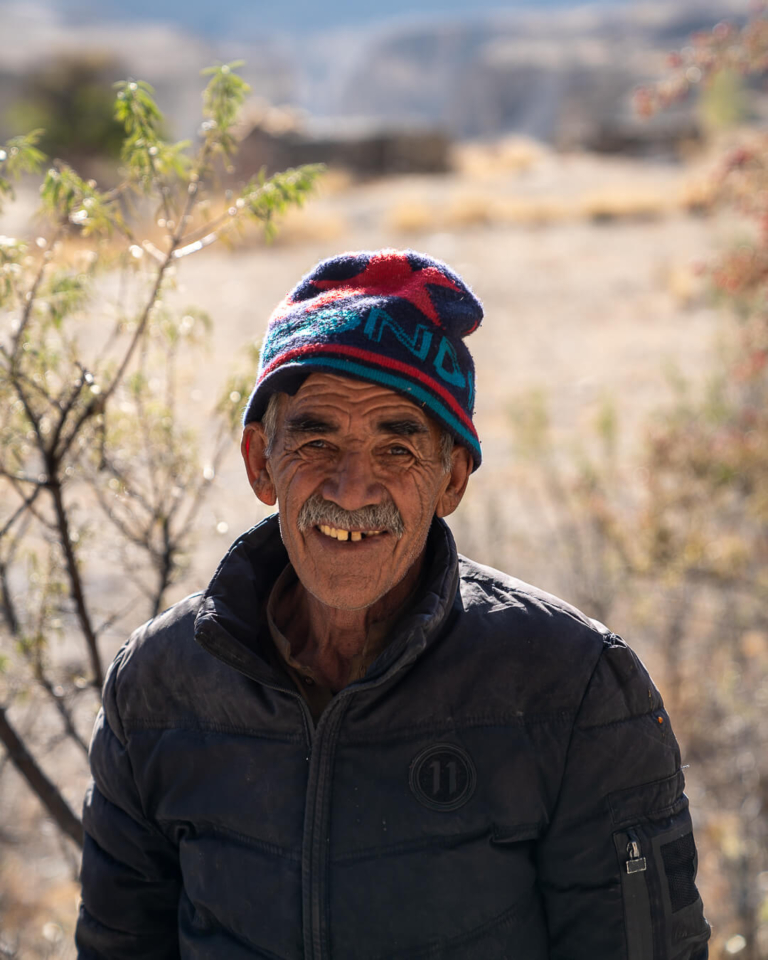
While Hunza is a part of Pakistan, traveling to Hunza is very much like traveling to another country and is overall quite similar in tradition to Central Asian neighbors.
In Central Hunza (Aliabad, Karimabad etc.) and interestingly, the remote village of Misgar, the incredibly rare Burushaski, a language isolate whose origins remain unknown, is the mother tongue.
Meanwhile, from Shishkat onwards (including Shimshal and Chapursan Valleys) Wakhi is the dominant language, which is NOTHING like Burushaski!

Three major festivals in Hunza that you won’t find in Pakistan’s provinces include:
- Imamat Day/Khushali (July 11th): On July 11th, 1957 Prince Karim Aga Khan IV succeeded his predecessor to become the Hazir Imam of all Ismailis. The day is celebrated with family celebrations and plenty of food. Red and green, the colors of Ismailis, decorations pop up all over.
- Salgirah (October 23rd): This is celebrated SPECIFICALLY in Hunza as it marks the day in 1960 when the Hazir Imam first visited the Hunza Valley. Jamat khanas, restaurants and homes light up with red and green displays and families gather as they do for Imamat Day.
- Salgirah (December 13th): This marks the birthday of the Hazir Imam and is celebrated by Ismailis globally, which you can also experience throughout Hunza.
Hunza Food and the Hunza Diet
Hunza food is blessed with a wide variety of organic fruits and vegetables.
From grapes to apples to iconic favorites like apricots and walnuts, Hunza literally has the freshest and purest food that I’ve ever eaten in my life.
But to all the spicy Lahori restaurant lovers out there, note that traditional Hunza cuisine is typically sada AKA spice-free.

Perhaps it’s why the region is known for the longevity and health of its elders.
Every household has trees and fields filled with chemical and pesticide-free crops.
Aside from trying all the unreal vegetables, these are some must-try foods from Hunza that are unlike anything you can find in other parts of Pakistan.
- Chapshuro – A pie-shaped baked bread filled with delicious meat.
- Hoilo Garma – As pictured above, hoilo garma consists of noodle-texture pieces of fough, spinach and potato.
- Doudo – A local soup made with hand-rolled short noodles and yak or mutton meat.
- Yak- Similar to beef but MUCH more tastier, yak bbq, burgers and more can be found in Hunza.
- Gyaling/Gral- Similar to pancakes but thinner, these stretchy pieces of flat bread are served bathed in apricot oil.
What’s Up With Hunza Water?
Hunza Water can actually refer to two things: the glacier water commonly served and drank during summers and a locally brewed moonshine that’s only available via connects.
Remember that alcohol is still illegal in Hunza just as it is in the rest of Pakistan, but the attitude is significantly more relaxed and the very strong “water” can be found in all the places in Hunza Valley.
Just not in stores that is!

Your best bet for scoring some Hunza water is by asking your hotel owner or locals you know.
Keep in mind that it is STRONG and the hangover can be a killer if you overdo it!
Places to Visit Near Hunza
Hunza Valley is easily the safest place in Pakistan, and you can find many similar locales nearby.
Specifically: go to Nagar!
Hunza and Nagar used to be one district up until 2015, so it shouldn’t be a surprise that all of the best places to visit near Hunza are in Nagar, which is easily accessible from Central Hunza.
Nagar Khas & Hopar
The reason why these are grouped together is that you can’t get to Hopar without passing through Nagar Khas!
Both are along the Hopar Valley road, and both exude tranquility.
There are some great viewpoints and a historical fort near Nagar Khas, and glacier and several notably peaks visible from the end of Hopar.

The area around the Hopar Glacier viewpoint is filled with cafes and hotels, but the actual village and Nagar Khas give a peaceful insight into life in this lovely valley.
- Why it’s epic: It’s the most easily accessible way to see a glacier and the entire valley is stunning!
Rush Lake
This is not JUST a cool thing to do near Hunza, but it’s also one of the ost epic things to do in Pakistan generally!
Why? Let me explain.
Rush Lake is officially the highest lake in Pakistan, the alpine beauty sits at 4,694 m or 15,400 feet with the potential to climb higher to Rush Peak (5560 m).
I trekked to Rush Lake with some friends and we did it in 3 nights / 4 days of trail time. It’s highly recommended to spend the night in Hopar before you plan to start.

The glacier gets melty and dangerous if you try to cross it after morning hours on a sunny day.
The trek involves crossing both a “live” and a second “dead” glacier, and the steepest uphill climb I’ve yet to encounter. But I mean look at this? It was 110% worth it!
- Why it’s epic: It’s the highest lake in Pakistan and gives you stunning views of multiple glaciers and famous snow-capped mountain peaks.
Rakaposhi Basecamp
Another amazing place to trek near Hunza, the trek to Rakaposhi Basecamp is one of the best treks you can do in Pakistan as it’s beautiful, cheap if you have your own camping equipment, and gives you the opportunity to see yet ANOTHER glacier!
I started this trek from Minapin at a very leisurely afternoon hour and completed it in 2 nights / 3 days.

While it IS possible to trek to the basecamp and back in one day, I don’t recommend this as spending a night camping in the shadow of Rakaposhi is too good to pass up!
- Why it’s epic: It’s rare you can get to an iconic mountain’s basecamp this quickly!
Important:
You don’t need a guide for this trek as the trail is green and easy to follow.
However, if you want to head further to Diran Peak Basecamp (which involves crossing the Minapin Glacier) a local guide (or mountaineer friend) is essential for safety.
FAQ About Hunza Valley’s Best Places
Here are a few things to know before planning your trip to Hunza:
Wrapping up Hunza’s Best Places to Visit
Now that you’ve seen some of the AMAZING places to visit in Hunza Valley, I hope you can agree that this magical region has a LOT to offer.
From some of the best treks in Pakistan, to sights that you’ll absolutely want to have your best camera to remember them with, to truly explore Hunza, you’d need a lot longer than you’d expect.
After months of exploring the valley, I’m STILL finding new places to be amazed by!
Traveling to Hunza means getting to see the absolute best that nature has to offer.
I’ve visited many other countries and traveled all throughout Pakistan, yet virtually nothing can compare to the beauty of this remote region.
So what are you waiting for? Plan that Hunza trip!

What’s your favorite place in Hunza Valley? Let me know in the comments!

Samantha is the founder of Intentional Detours. Originally from the USA, she’s been backpacking the world since 2017, and is passionate about slow, adventure travel that puts local communities first. She has visited 19 countries and has been living in the Karakoram Mountains of Asia’s Hunza Valley since 2021. She’s super passionate about helping people get off the beaten path anywhere (on a budget of course), and her travel writing has been published in the likes of BBC Travel, CNBC, Business Insider, and more.


