

I’m assuming you’re here because you’ve seen or heard a little bit about Pakistan.
Surreal landscapes, remnants of ancient civilizations, and tales of unbelievable hospitality might be swirling around in your head, but really you’re wondering: Is Pakistan safe to visit?
The news makes it sound like the world’s most dangerous country. A nothing more than a desert teeming with terrorists, and I’m sure your family and friends aren’t too keen on the idea of you backpacking Pakistan either.
But the reality is that the Pakistan you see today is a far cry from Western media’s narrative.
So instead of taking Pakistan travel advice from people who have never been there, listen to me instead. I’ve spent 3+ years traveling all over the country, and as of May 2022, I legally LIVE in Pakistan!
While I’m not going to tell you that Pakistan is the next step after Bali, I AM going to tell you that it’s definitely not the hardest country to travel in, either. And as far as the people go, not a nation on Earth can compare as far as hospitality goes.
Anyways, I’m assuming you want a little more info than “It’s not a desert and people are nice!” right? Don’t worry, I’ve absolutely got you covered.
Most travel bloggers come to the country once for a month or two and claim to be experts on safety. After 18+ months traveling in Pakistan, and spent primarily with locals, I’d like to think that I have just a bit more experience than most others when it comes to this topic ;)
Ready to dive in? Here’s everything you need to know (and more) about safety in Pakistan!

This post may contain affiliate links. This just means I may receive a small commission at no extra cost to you for promoting a product or service. I took and own all photos unless credited otherwise. You can read my full disclaimer here.
Is Pakistan Safe to Visit Right Now?
Is Pakistan safe for tourists?!
YES.
Currently, Pakistan IS safe for tourists and has been for a while. And yes, this does include solo female travelers! The country’s largest newspaper, Dawn, has said that tourism in Pakistan has increased more than 317% since 2014, and this number has only continued to go up since the article was published.
While there are some remote areas of Pakistan that are unsafe and slightly unstable, you won’t be able to access these regions anyways. However, even in these regions (such as Quetta and the Former FATA region), it’s not like violence is happening daily.
Plus, places on the average Pakistani itinerary are (and have been) safe for tourists.

Incidents that do occur are usually politically motivated and are not directed at foreigners. In fact, Pakistanis are extremely hospitable and welcoming to foreigners. And yes, fellow Americans, that includes us!
The United States, where I was born and raised, is filled with gun violence yet such safety questions are rarely asked. Definitely something to think about when you’re wondering about Pakistan’s safety in the 2020s if you ask me.
This doesn’t mean travel in Pakistan is super easy. But if you do proper research and follow the same safety tips you would when traveling anywhere else in the world, you should be good to go. Jaw dropping landscapes and epic historical places await!
Why Pakistan is Safer Than You Think

The reason why backpacking in Pakistan is safer than you think is due to its many security agencies.
Pakistan’s ISI is one of the world’s top intelligence agencies, and the Pakistani government makes sure that they seriously look out for all foreigners traveling there.
What do I mean? All hotel check-ins are registered, security is provided more often than it’s actually needed, and foreigners are sometimes even checked in on in person. I’ve experienced all this and more while traveling in Pakistan.
There are numerous areas in Pakistan that foreign tourists are either restricted or banned from.
Restricted areas require a NOC (Non-Objection Certificate) to access, and often have many checkpoints that you wouldn’t be able to pass through with a foreign passport.
NOC’s are often difficult to get, and even after obtaining one, you can still be prevented from going to a place at their discretion.
Real-life example: In September 2021, I received a NOC to visit Broghil Valley, my dream destination in Upper Chitral. Unfortunately, though, Broghil borders the (cough*completely peaceful*cough) Afghan Wakhan. Thus, due to the Taliban takeover, I was still not allowed to visit.
So while it leads to unnecessary harassment at times, these policies add a level of travel safety and security that isn’t present in most other countries.
What’s Up With Pakistan’s Security Situation?
Pakistan has had a difficult past, but the important thing to remember is that it’s the past. And we’re talking a decade ago.
So what happened?
After the regional fallout Post-9/11, Pakistan suffered immensely and experienced its own peak Taliban activity from 2009-2012. Most Westerners have heard of their takeover of Swat Valley, and numerous other attacks occurred in other areas.

In 2014, ISI, the country’s intelligence agency, embarked on a wildly successful anti-terrorism campaign that stabilized Pakistan immensely. So the bombs, guns and outlaw nation you’ve seen on the news is absolutely not the Pakistan that exists in today’s reality.
These days, random attacks mostly occur in far-flung areas that you wouldn’t be able to visit anyways.
As of late 2022-early 2023, the frequency of such incidents are increasing, but tourists and civilians are not targets. As I live in Hunza, it’s as safe as it always has been as are many other regions of the country.
Moreover, Pakistani officials make it very difficult to get to unstable areas. You can also rest peacefully knowing that the many security agencies are keeping tabs on everything in the background.
What Places in Pakistan are “Unsafe” For Travel?
I really hate to consider entire regions unsafe, because the reality is that that’s never the case. These days, any country or city can be unsafe.
But nevertheless, these are the areas of Pakistan that are riskier than others and are essentially banned for foreigners anyway. Pakistani citizens can travel to virtually all of these places as they wish, but you won’t accidentally end up here when you visit Pakistan.

Azad Kashmir LOC (Line of Control)
Update:
As of 2019, foreigners CAN visit other places in the AJK province like Muzaffarabad and Mirpur, though I’d recommend utilizing Couchsurfing to avoid unnecessary hassle. I recommend staying at Green Residency in Muzaffarabad.
Former FATA Region (Aka Federally Administered Tribal Areas)

Kohistan and Diamer (Dasu to Chilas on the KKH)
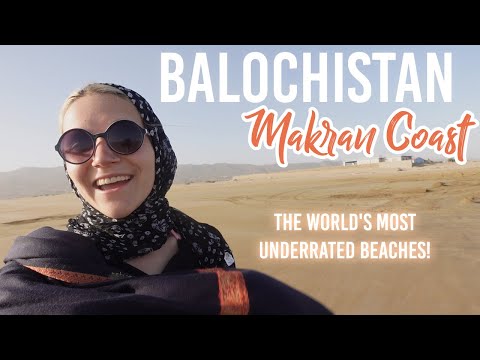
Balochistan (Excluding the Makran Coastal Highway)

I recently visited the Makran Coastal region and it might have been the highlight of all my Pakistan travels. You can see the real side of this region in the video below and come to your own conclusions.
Safety in Pakistan by Region
Now let’s get into the specific safety scenes of popular parts of Pakistan. With the exception of a few regions you definitely won’t be able to reach, the reality is that the vast majority of Pakistan is safe for travel.
Gilgit-Baltistan

Not all of Gilgit Baltistan is as liberal as the foreigner-friendly places of Hunza Valley, but with the exception of the Diamer district (which foreigners can’t explore anyways), the entire territory is safe AF and should be the centerpiece of your Pakistan adventure.
Gilgit Baltistan is also home to the most iconic scenery in the country and is undoubtedly the best place to go trekking in Pakistan.
Chitral

While technically a part of KPK, Chitral is a former princely state and quite different from the rest of the province.
Traveling in Chitral ain’t always easy, but rest assured that it IS safe. Most travelers know about Chitral because of the famous Kalash Valleys, but the vast region has so much more to offer.
The incredibly remote Yarkhun Valley is home to some of the kindest and most welcoming folks in Pakistan, and Upper Chitral in particular (which roughly begins with the town of Booni) is one of the safest places in Pakistan.
Unfortunately, foreign tourists have only been able to freely explore Chitral since 2019 due to its location which shares a mountainous border with several remote provinces of Afghanistan.
So while the security situation is safe and stable, local authorities are still uncomfortable with foreign tourists and unsure how to handle them.
Even with the potential of extra hassle, I stand firm that Chitralis are some of the most hospitable people in Pakistan and this region should never be skipped by travelers. Chitral also has tons of awesome budget and camping accommodations that welcome all!
The Rest of Khyber Paktunkhwa

While many people (i.e. those who haven’t been there) think KPK is the most dangerous place in Pakistan, the reality of 2022 is that today, the vast majority of the province is safe and tourism is booming.
I’ve already talked about Chitral, but the remainder of the province is just as stunning. The Swat Valley, in particular, offers lush green mountains and icy-blue rivers, whereas the city of Peshawar is famous for its history and hospitality.
So while most KPK is extremely conservative, it also happens to be the most hospitable to guests. Plus, the places that tourists are able to visit are undoubtedly safe and welcoming.
The Upper Dir region is also a fantastic place to visit, especially if you make it there via the stunning Badogai Pass. The village of Thall is a particularly great place to experience traditional Kohistani culture ad kindness.
Solo female travelers may find this region more difficult to travel in than other tourist places in Pakistan, but due to some unfortunate terrorism or violence.
Wearing the local shalwar khameez is a great idea to show respect for the culture, plus they’re the most comfortable piece of clothing hands down.
Punjab

The whole of Punjab is safe for tourists, though the reality is that non-Pakistanis will have a difficult time outside of Lahore and Islamabad. Those two cities are some of the safest places in Pakistan, and should be hassle-free.
While Punjabis are friendly, and terrorism non-existent, authorities are NOT yet accustomed to dealing with wandering goray (aka foreigners). You’ll certainly encounter issues in Multan and Bahawalpur, which despite their stunning historical sites, are in some way controlled by the army leading to hassle.
So basically, when you’re considering if Pakistan is safe or not, know that Punjab absolutely is. But if you want to explore freely, or at least partially freely, linking up with Couchsurfing hosts or local friends is the best option.
Unless you’re a fan of dramatic security envoys in places with barely any crime, that is…
Sindh


Aside from Karachi and perhaps a famous shrine or two, Sindh isn’t typically explored by tourists. Even though it’s filled with some of the most beautiful landmarks in Asia!
Nevertheless, these days, the province is safe and friendly. Karachi does have more crime than other Pakistani cities, such incidents are not known to specifically target foreigners.
Even so, police and other authorities often force unnecessary security, and many cheap hotels “cannot” accept foreigners. This means that, like in Punjab, exploring via Couchsurfing or other connections is absolutely the way to go.
Keep in mind that all of Sindh is *technically* a NOC-free zone, though it doesn’t feel like it. In reality, foreigners are given mandatory security in any offbeat areas. Visiting the Thar Desert region is prohibited, due to its close proximity to India. Even Pakistani citizens cannot bring cameras into Nagarparkar.
In reality, the border is quite literally a desert with a very minimal population and no violence. But as seems to be the case with most prohibited areas in Pakistan…
Despite the hassle, the history and culture of Sindh is fantastic and the security situation is stable–it’s absolutely worth seeing. Just keep the weather in mind–the best time to visit South Pakistan is definitely from November-March.
And rest assured that at least in Karachi, you can roam about freely, including to the far-out beaches. To protect against theft, try to travel during the day and avoid flashing around expensive items, especially in crowded areas.
Is Karachi Safe for Tourists?
If you’re wondering if Karachi is safe for tourists, the answer is YES. Plenty of Westerners have visited Karachi, and more come every single year. I myself spent over a month living in Karachi and visiting attractions all over the city.
But is Karachi safe for US citizens?
Absolutely! I didn’t have a single issue related to being a US citizen in Karachi, or anywhere else in Pakistan for that matter. I’ve even gone places alone in Karachi as a solo female and did not feel bothered.
Nevertheless, the crime rate in Karachi IS higher than virtually anywhere else in Pakistan, however, crime is not specifically directed toward tourists.
I went all over the city with a camera and thankfully didn’t have any problems. You should absolutely be prepared though: hide your money, keep your phone and any other electronics close, and avoid using ATMs at night. Though crime happens all over Karachi, you can choose to stay in DHA or Seaview to be more secure.
Is it Safe to Attend Minority Religious Events?
Certain events in Pakistan are riskier to attend than others, but then again you can say the same about going to schools, malls, or concerts in America these days.
Let’s get into them.
Minority religious events have seen terrorist attacks in the past, with Sufi shrines being common targets. For example, Lal Shahbaz Qalandar, a stunning shrine in Sehwan, Sindh was attacked in 2017.
Unfortunately, these lively locales are a target for attackers, as they don’t agree with the Sufi interpretation of Islam. Aside from shrines, any non-Sunni event can be a target.

Think: Shia processions, Sufi shrines, and Christian churches.
However, going back to my America example, I’d be a hypocrite to tell you to stay away from all these things. I’ve attended numerous festivals in Pakistan including Sufi dhamal sessions in Lahore, two Urs celebrations, and even a late-night Shia procession on Chehlum.
While my good experiences are just anecdotes, they make clear that simply stepping into a Sufi shrine or visiting a Christian church is not a guarantee of violence. Such events are exceedingly rare these days, and security in and around them is VERY tight.


If you want to experience a chill intro to such scenes, I highly recommend Thursday night dhamal at the Shrine of Madho Lal Hussain in Lahore. There’s security at the gate but nothing TOO overwhelming, and the crowd tends to be extremely welcoming and inclusive.
What are the Safest Places in Pakistan?
No place is 100% safe anywhere in the world, but these are certainly the most secure locales in Pakistan.
Hunza Valley, Gilgit-Baltistan
If you’re wondering what the safest place in Pakistan is, look no further than the majestic Hunza Valley.
Hunza has been a tourist spot since the Hippie Trail, and as such it’s the easiest place to travel in all of Pakistan. Hunzakutz are Ismaili, which is known to be the most liberal and accepting sect of Islam.
This stunning mountain paradise is the most educated locale in Pakistan, and is famous for its tolerance and plethora of organic fruits, and unique Hunzai cuisine.

While most tourists just stick to the usual Hunza itinerary, don’t be afraid to get off the beaten path. The stunning Shimshal Valley, for example, takes you along one of the world’s most amazing roads and the entire village is synonymous with peace.
In the nearby Nagar District, which used to be fused with Hunza, you can also do one of the most rewarding treks in Pakistan: a journey along a stunning, well-marked path to the basecamp of Rakaposhi Mountain (7,788 m).
Ghizer, Gilgit-Baltistan
The Ghizer District is nothing short of a dream, and the particularly jaw-dropping Phander and Yasin Valleys are easily some of the safest places in Pakistan. The majestic Hindu Kush mountains certainly don’t hurt either!
I’ve spent weeks in this region at this point and it’s the bucolic, peaceful paradise you’ve always dreamed of.

Like Hunza, most folks here are also Ismaili and you can find MANY cultural similarities. Ghizer lies along a road that connects Gilgit City with Chitral, and the entire route is simply stunning.
While hardly as popular as Hunza, the people of Ghizer are extremely hospitable, there is quite literally zero crime, and what’s more, there are many budget-friendly guesthouses and camping sites happy to accept foreigners.
Upper Chitral, Khyber-Paktunkhwa
While it might not be the easiest place to travel due to over-zealous authorities, I can’t make a list of the safest places in Pakistan without including this gem of a region.
Upper Chitral roughly begins around Booni, and stretches all the way to Broghil Valley, an extremely remote hamlet that borders the Wakhan Corridor.
Unfortunately, Broghil technically requires a NOC, and even with one, foreigners can still be denied passage beyond Yarkhun Lasht, one of the last villages of Yarkhun Valley. Pakistanis can visit the entire region without issue/NOCs.

I’ve been lucky to spend more than a month in this region, and can say hands down its home to the nicest, chillest, and most welcoming people in all of Pakistan. I explored via motorbike, and we couldn’t drive by a single person without them waving hello or asking us for tea.
Much like Ghizer, Upper Chitral is almost exactly the same in culture and customs as Hunza Valley. This is yet another region with virtually zero crime and no prior terrorist attacks.
The tourism potential here is unmatched, and the only issue you will encounter is, as previously mentioned, harassment from authorities. Pakistani tourists, however, can enjoy the entire region in the utmost peace.
Unless they’re traveling with a foreigner, that is 😂
Islamabad
Are you wondering “Is Islamabad safe?” the answer is this: Islamabad is undoubtedly the safest city in Pakistan.
The lush, planned capital is a bit sterile but does feature some pretty cool hills to explore, along with a ton of Western-style amenities.

I believe that virtually anyone can manage in Islamabad, it’s very modern, organized, and extremely clean compared to other Pakistani cities.
My solo Pakistan adventure began in Islamabad, and it couldn’t have been a more perfect place to ease into things. Even traffic in the capital is fairly tame, and the city is home to ex-pats from around the globe.
Lahore
Lahore is one of my favorite cities in the country, and as the so-called cultural capital of Pakistan, it has TONS of stunning places for travelers to explore!
Unlike Islamabad which was built in the ‘70s, Lahore’s tourist places display CENTURIES of history, and the city as a whole is welcoming and used to tourists of all kinds. So if you’re wondering if Lahore is safe to visit, the answer is definitely yes!

Despite being busy and chaotic, Lahore’s crime rate is low and its people are extremely hospitable. Lahoris are a jolly bunch, and you’ll absolutely receive some type of invitation or another while out and about.
Your biggest worry in this ancient city will likely have to do with how stuffed you’ll be, as Lahore’s foodie scene is something to behold.
Essential Pakistan Safety Tips

Yes, Pakistan is safe for tourists, but like anywhere on the planet you’ll want to always go with your gut instinct. If something feels weird it probably is.
The reality is that Pakistanis on a whole are very hospitable to tourists, especially foreigners. Even so, these are a few tips I think are worth following to stay safe in Pakistan:
- Wear local clothes – If you’re wondering what to wear in Pakistan, my answer is absolutely the shalwar khameez, which is the traditional local dress you can find and see everywhere. Not only is it hella comfortable, but blending in means less attention from overprotective police and shows locals you respect local customs.
- Use public transport when possible – I’m talking about the old vans you see in the picture above! This is the ultimate local way of travel in Pakistan, and it allows you to blend in more. Average, unmarked vehicles are also more lowkey than big buses, though the buses are great to use for intercity travel.
- Get a local SIM card – This piece of Pakistan travel advice is a must. Local SIM cards are cheap once you register, and data is fast in many places. Keep in mind that foreigners MUST register at a major franchise branch to start, though you can then “top up” anywhere. Zong is one of the most widespread brands, whereas Telenor is the best in KPK while SCOM is top in Gilgit Baltistan. Jazz is another widespread
- Learn some Urdu – While MANY Pakistanis speak completely fluent English, not all do, especially in more remote areas. If you really want to connect with locals all over the country, nothing will help you do so more than some Urdu skills. I started learning Urdu after my first trip to Pakistan, and it completely transformed my experiences.
- Use Couchsurfing – Having real friends and connections in Pakistan is invaluable, and there’s no easier way to meet them than on Couchsurfing. Pakistan has a thriving Couchsurfing community, and you can find hosts in all major cities and even smaller towns.
- Talk to other travelers – There are numerous Facebook groups that are MUST joins when you’re planning a trip to Pakistan. I help moderate Backpacking Pakistan (mostly foreigners), and also highly recommend Female Pakistan Travelers (women only) and See You in Pakistan (mostly locals, some foreigners) for TONS of information and connections.
- Have travel insurance – While not all travel insurance companies cover Pakistan, Genki, my personal favorite travel insurance, does! Although private healthcare in Pakistan is of a high standard and is very affordable by American standards, in the event of a major emergency, you’ll want some protection. This is ESPECIALLY true if you’ll be trekking up North!
- Stay updated on Pakistan news – The most reliable information about Pakistan is NOT Western Media. To actually get a feel for what’s going on in the country check out Dawn and for Gilgit Baltitsan happenings, follow the Pamir Times.
Is Pakistan Safe for Women Travelers?
Is Pakistan safe for women?
After spending 18+ months in the country traveling both solo as well as with both foreign and Pakistani males and females, I do believe that Pakistan is safe for female travelers, though harassment is common.
The reality is if you’re with a guy of any nationality, you don’t really need to worry about much besides keeping your possessions safe in crowded areas and other general travel tips.

Solo female travel in Pakistan is a bit different. Your experience will depend upon whether you know any Urdu, how conservative you’re willing to dress, your local connections and so on.
Wrong as it may be, foreign females are given a heightened level of respect. While you can expect catcalling and perhaps mild forms of groping (usually in the form of strange hand brushes) in crowded areas, even if you are completely alone and without any knowledge of Urdu, you will most likely be safe as a woman traveling in Pakistan.
As a woman, you’ll also get some nice perks like the best seats on transit, as well as the ability to meet female family members. If you feel uncertain, head to Hunza Valley first as it’s the safest place in Pakistan for women.
Is Pakistan Safe for American Tourists?
Is it safe for Americans to travel in Pakistan?
Absolutely yes! Not only am I an American who has now spent 22+ months and counting here, but there are countless other Americans of all ages who have also explored Pakistan.
It’s also worth noting that, unlike Iran, Americans can travel in Pakistan freely WITHOUT a tour or security.
Any anti-American sentiment is directed at the government, not regular citizens. And even then, America hate in general is not something you will encounter often, or ever, in Pakistan.

Millions of Pakistanis live in America, and you’ll for sure meet someone who knows someone living there. While Intelligence Officials might be slightly more protective of Americans in offbeat areas, I have never encountered animosity even in extremely conservative places.
Americans can travel to Pakistan just as any other nationality can, and these days multiple entry visas are available too!
Is Peshawar Safe to Visit?
Peshawar is a lively city filled with historical places. It is the oldest city in South Asia after all!
Despite its history, extremely hospitable population, and killer meat dishes, Peshawar is unfortunately most-well known for terrorism. It’s a city that evokes all kinds of responses from Westerners and is generally regarded as the wild, wild, west of Pakistan.
Even so, Peshawar does have more blasts than any other tourist place in Pakistan. In January 2023, a bomb went off in a mosque that targeted police. However, recent attacks in Peshawar do not target tourists or Westerners, and many have visited since.
Avoiding minority religious places (Shia mosques, churches, Sufi shrines) as well as police compounds is a good idea. Still such events are rare and foreign tourists are still allowed to visit Peshawar freely.


The ‘City of Flowers” as it’s called is one of my most loved places in Pakistan and it’s absolutely worth a visit. Peshawaris are extremely welcoming, and the city itself has the best meat in the world, and is graced with epic sites like the Sethi Haveli, Bab e Khyber and the Mohabbat Khan Masjid.
Food and Water Safety in Pakistan
Our Pakistan safety discussion is about to take a gastronomical turn.
First off, tap water in Pakistan is NOT safe to drink. The only exception to this is remote mountain areas that get their water from clean, natural sources. So think places in Gilgit Baltistan and Upper Chitral only, folks. We’re talking about real remote locales like Chapursan Valley, as even Karimabad water is a bit iffy.

Drinking tap water anywhere else could make you seriously sick, as could not properly boiling things like lake water whilst trekking. (Been there, it was certainly NOT fun.)
To avoid such mishaps, I highly recommend traveling with a Grayl Water Bottle. They can filter water on demand, which means you’ll have safe (and free) water to drink from the cities to the mountains.
Moving to khana, I’ve eaten street food and other budget eats, and can say you absolutely should give them a shot if you want to experience the best of Pakistani food.
Hygiene might be questionable, but heading to stalls with lots of locals is my hard and fast rule. It’s also a great idea to carry Immodium and Gas X with you.
You can also see about getting the Typhoid Vaccine either in Pakistan or before coming to further protect against that particular pathogen.
The REAL Dangers of Traveling in Pakistan
After 13+ months and counting of travel all throughout the country, here are the dangers of traveling in Pakistan I think you’re more likely to encounter.

- Food Poisoning – It’s bound to happen at some point, no matter how much you prepare. This is where I highly recommend carrying various stomach meds while traveling, but rest assured that they can also be found at local pharmacies.
- Road conditions – Driving in Pakistan is crazy, to say the least. Overtaking on mountain curves, motorbike passengers carrying furniture, and massive trucks are all but guaranteed. Be cautious about who you drive with, and be hella careful whilst crossing city streets.
- Harassment – Groping is common in busy areas, though this is often in the form of a sly hand touch. While only female travelers need to worry about THAT, travelers of all genders have experienced digital harassment. Be VERY careful who you give your phone numbers and Facebook names to. While not always malicious, you could end up receiving hundreds of unwanted phone calls.
- Altitude Sickness – Not a concern in the majority of the country, but altitude is definitely something to think about before heading out to Gilgit Baltistan or Chitral as both the Babusar and Shandur passes and many treks are over 4000 m. Once you arrive, give yourself a few days to acclimate before heading off on a hike. You’ll also want to stay extra hydrated and grab some altitude sickness medication to be extra cautious.
- Natural disasters – Pakistan is in an earthquake and flood zone, and last suffered major flooding in 2022. Such events happen globally, but always make sure you check weather forecasts and never travel somewhere that’s in a storm’s path.

FAQs on Pakistan Safety
Here are a few more FAQs about Pakistan’s safety:
Final Thoughts on Safety in Pakistan
While this might seem like a lot, the conclusion is this: Pakistan IS safe to visit. The regions that see instability might not be, but as I’ve said numerous times, you won’t be able to get there anyway.
Pakistan’s history might seem scary, but today, the country is stable and is witnessing an unprecedented tourism boom for a reason. Things have changed in the past decade, and all of Pakistan’s tourism destinations are safe for all nationalities.
The most important thing is to head to Pakistan with is an open mind and an open heart. Pakistanis are extremely welcoming to guests and will ensure any misconceptions you had about the country are rightfully changed.
With a bit of research and planning, and a healthy desire for adventure, a trip to Pakistan can easily become life-changing in the best way possible.
Yes, it has a difficult past. But if you accept Pakistan’s safety situation really HAS changed, you’ll discover hospitality, landscapes and cultures that are unlike anywhere else on the planet.


Samantha is the founder of Intentional Detours. Originally from the USA, she’s been backpacking the world since 2017, and is passionate about slow, adventure travel that puts local communities first. She has visited 19 countries and has been living in the Karakoram Mountains of Asia’s Hunza Valley since 2021. She’s super passionate about helping people get off the beaten path anywhere (on a budget of course), and her travel writing has been published in the likes of BBC Travel, CNBC, Business Insider, and more.


I travel to karachi as an international tourist, I feel safe , no theft etc happened with me. Its only media hipe to warn tourist to travel and to explore such a beautiful and historic tourist destination. I love to travel . I don’t feel any dangerous written in this article. Regards Ayesha.
Obviously you’re not an international tourist – I spent two months in Karachi as one and I stand by this opinion. There are some great historical sites in Karachi but it’s not safe and it’s even more unsafe now than it was in 2022 when I was there. Everything I write is from my personal experiences and feelings while visiting the place – this isn’t from “media hype.”