

A thorough travel guide to Chapursan Valley, a magical Wakhi-speaking hamlet located in Upper Hunza, Gilgit Baltistan.
This post may contain affiliate links. This just means I may receive a small commission at no extra cost to you for promoting a product or service. I took and own all photos unless credited otherwise. You can read my full disclaimer here.
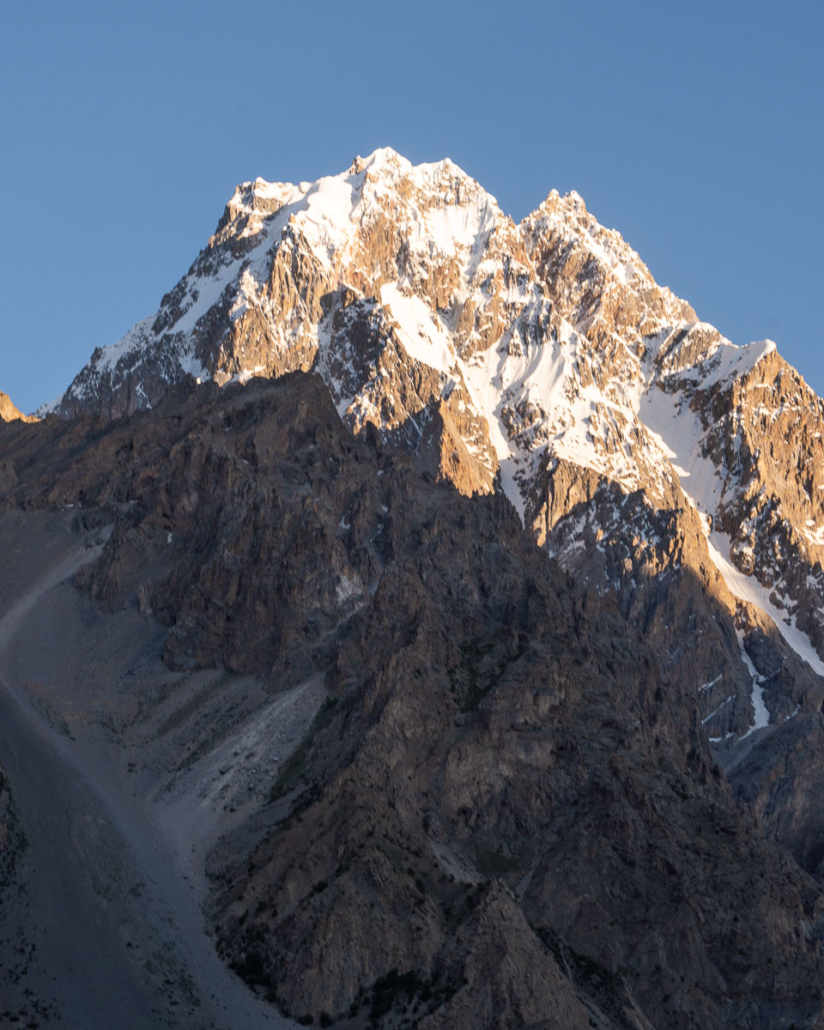
Every shade of red, moon-like landscapes and true roof-of-the-world feels: welcome to none other than Chapursan Valley, one of the most magical places in Pakistan.
Spelled either as Chapursan or Chiporsun, this remote valley is located in the far reaches of Hunza and borders the Afghan Wakhan.
While some other valleys in Pakistan might give Chapursan Valley vibes, I haven’t been anywhere else that can truly encapsulate the feelings this valley brings.
At over 3,000 m, many scenes will make you feel like you’re on the roof of the world–literally.
Chapursan Valley is one of the most remote places in Gilgit Baltistan and is only accessible via a 4-5 hour bumpy jeep or motorbike ride on a very off-road trail.
Internet is basically non-exist in Chapursan, and its Wakhi-speaking residents are extremely hospitable.
While Chapursan Valley is growing in popularity, it remains a peaceful and firmly off-the-beaten-path destination due to its far-out location.
Information about this beautiful hamlet is hard to come by, and reaching it is a bit of adventure in and of itself.
If you too are looking to add a unique and beautiful place to your Pakistan itinerary, read on! Here’s everything you need to know about traveling to Chapursan Valley in Upper Hunza:

Chapursan Valley Travel Guide: Everything You Need to Know
Chapursan is one of the best places to travel in Hunza… click to skip ahead to the section you need most!
Where is Chapursan Valley?
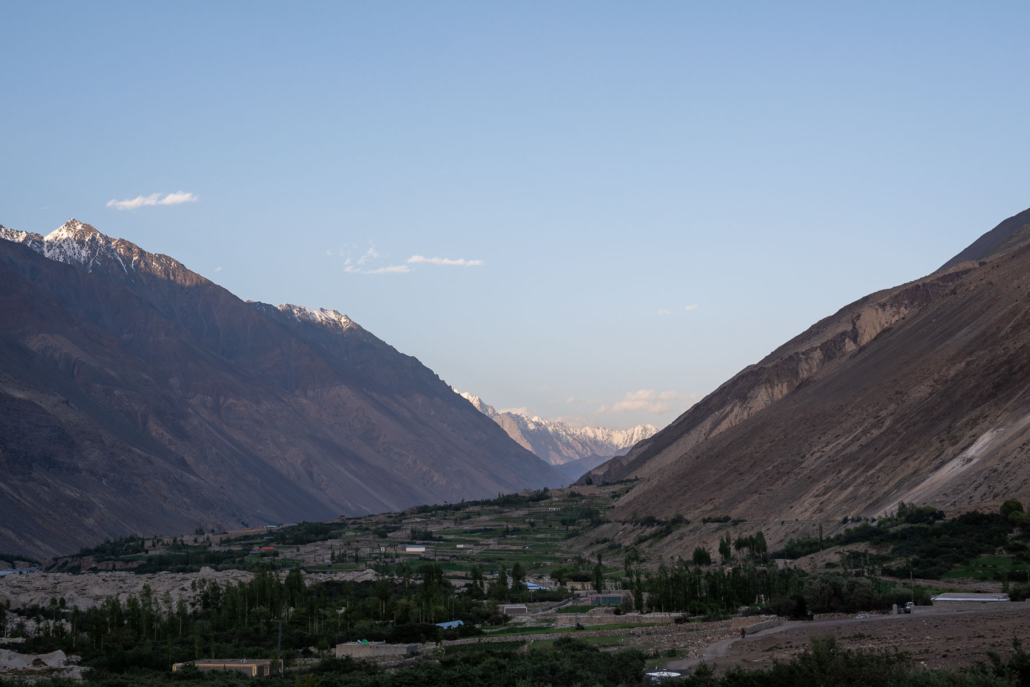
The last settlement before the Khunjerab Pass on the Karakoram Highway, Chapursan is an intentional detour if I’ve ever taken one. The deviation to the valley begins a bit after Sost, a busy market town and the KKH’s last bazaar.
What begins is a long, dusty road that contains 8 villages and several hundred households. The last village in Chapursan Valley is Zoodkhun.
Beyond that is a series of magical landscapes, the famous Baba Ghundi shrine, and some miles away, the mountains of the (peaceful) Afghan Wakhan. Though remote, Chapursan is easily one of the best places to go while backpacking in Pakistan.
Travel Tip: Zoodkhun is spelled as ‘Zuwudkhoon’ on Google Maps.
What to Bring to Chapursan Valley
Chapursan Valley is undoubtedly the most remote hamlet in the entire Hunza District and one of the best places to travel in Pakistan.
So basically – you don’t want to be caught without essentials as you definitely won’t be able to easily replace what you need. It’s also important to bring layers, even in summers!
A linen shalwar khameez–what I usually wear in Pakistan–will definitely not be warm enough at night regardless of when you visit!
There are also a minimal amount of stores in Chapursan, load up on snacks in Sost beforehand!
Checking out and buying from a thorough list of gift ideas for hikers will also ensure you’re prepared for Pakistan.
Here are some essentials to get you started:
| Image | Item | Price Range | Buy |
|---|---|---|---|
  | Anker Portable Power Bank | $$ | Buy On Amazon |
  | Foam Earplugs | $ | Buy On Amazon |
  | Eye Mask | $ | Buy On Amazon |
  | Trekking Poles | $$ | Buy On Amazon |
  | Headlamp | $ | Buy On Amazon |
Best Time to Visit Chapursan Valley
The People of Chapursan

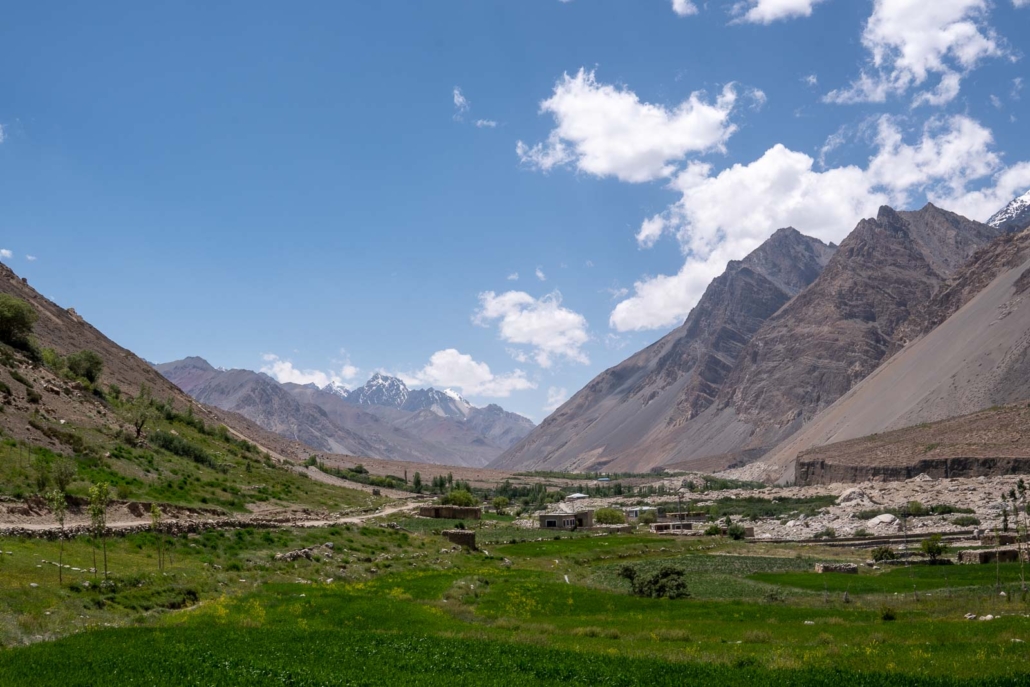
Chapursan Valley is home to Wakhi speaking people who are primarily Ismaili.
Commonly referred to as the most liberal sect of Islam, Ismailis place an exceptionally high value on education and within Pakistan, primarily reside in the Hunza, Ghizer, and Upper Chitral regions.
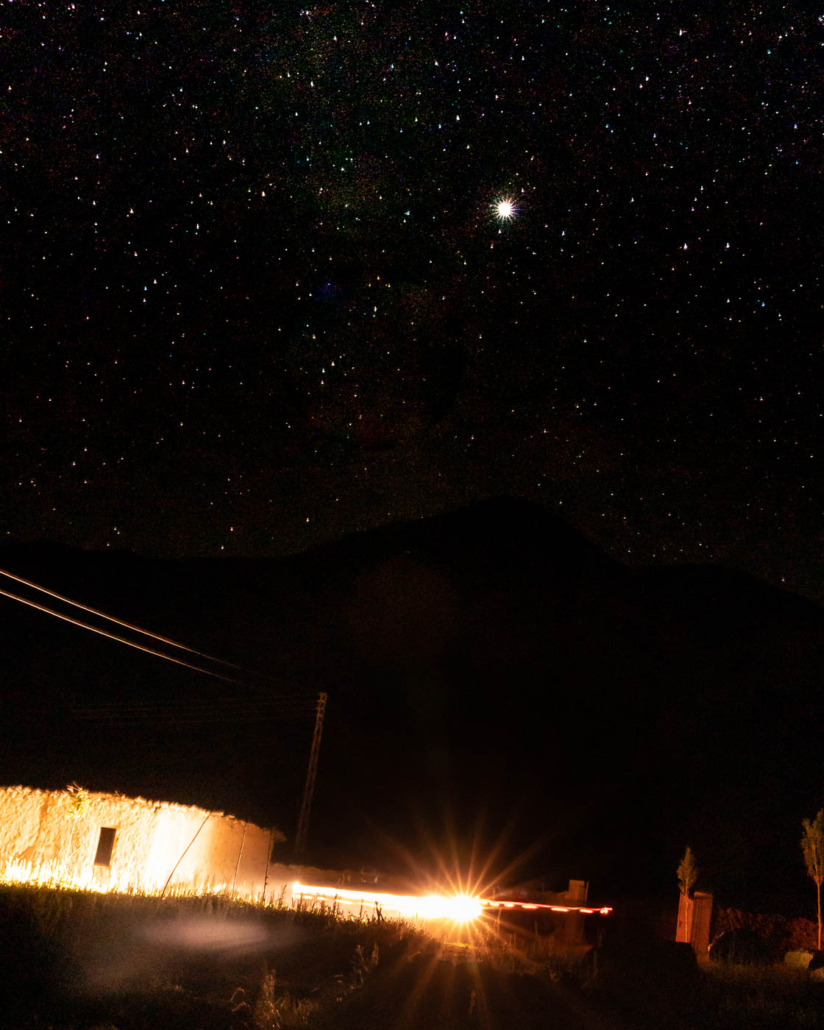
I found the locals of Chapursan to be absolutely fabulous and unbelievably hospitable. When we were driving in, our bike’s headlight decided it was a perfect time to go out JUST as darkness was settling over the valley.
A local man and his family proceeded to not only fix our headlight but insist we come into their home for snacks and chai. Keep in mind that these were COMPLETE strangers!
I also spent a good amount of time enjoying chai and tea with another family near the Baba Ghundi shrine. Definitely accept any invitations you receive while traveling in Chapursan, it’s one of the safest and most welcoming places in Pakistan.
How to Get to Chapursan Valley
Here’s exactly how to get to Chapursan Valley:
By Public Transport:
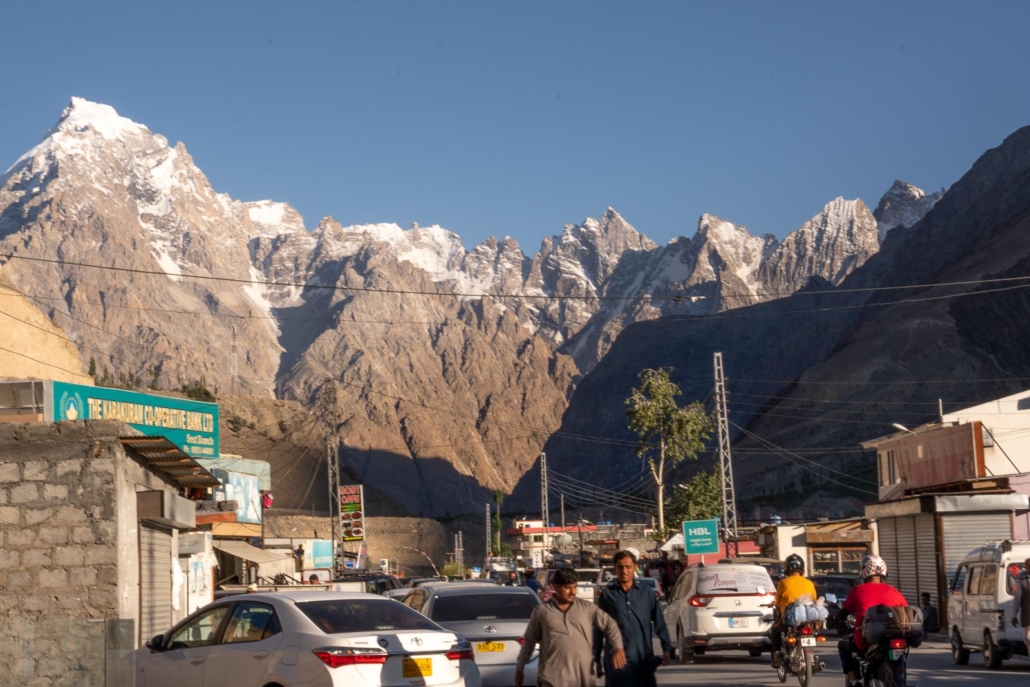
If you want to reach Chapursan by public transport, you’re going to first have to reach Sost, a small market town near the Khunjerab National Park.
Public jeeps ply the route from Sost to Chapursan twice daily, and it’s recommended you arrange a ticket either early in the morning or the night before as they fill up quickly.
Tickets are approximately 300 PKR/person and the ride takes about 3 hours. Note that there is an army checkpoint directly parallel to the Chapursan road deviation.
Foreigners need to get out and register with their passports when entering and exiting the valley.
I forgot to do this on the way in but remembered on the way out. There were no issues, but it’s definitely something you have to do to avoid harassment and confusion from authorities.
If a squished public jeep isn’t your thing, it’s possible to hire a private car for your journey to Chapursan.
By Private Transport and Hitchhiking:
Keep in mind that this will be extremely expensive, at 5000 PKR or more per day. Seeing as I’m a budget backpacker, I definitely do not recommend this option.
Hitchhiking IS possible in Chapursan, but realize it will be very difficult. In high season, you might be able to relatively easily find a ride in, but leaving could be a challenge. There are few cars in the valley, and not even that many motorbikes.
Speaking of motorbikes, riding on one is how I personally reached Chapursan. The road is not bad at all for bikes, and there are a scattering of stores that sell petrol.
However, the Chapursan Valley road is definitely not paved, and you should only consider motorbiking to it if you have notable off-road experience.

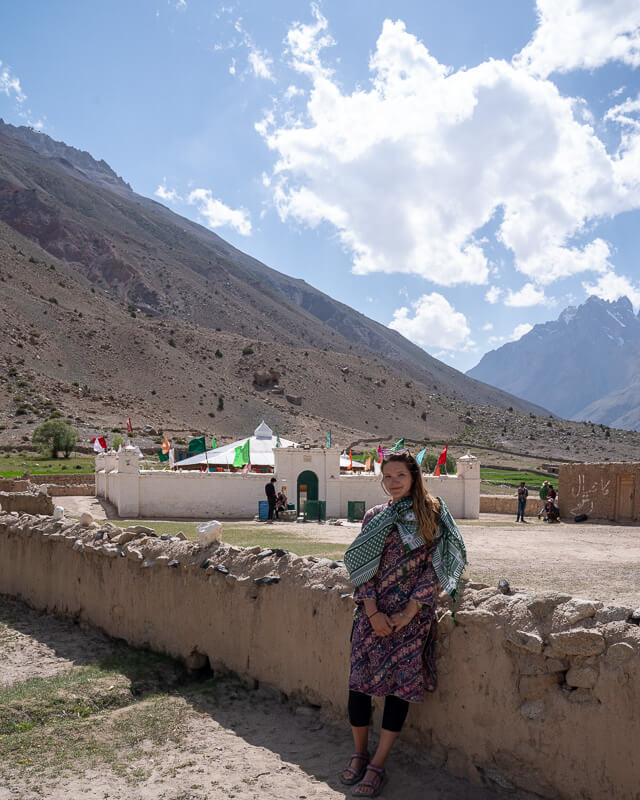
Do foreigners need permission to visit Chapursan?
As of 2021, foreigners do NOT need a NOC (Non-Objection Certificate) to visit Chapursan Valley.
Technically, the mystical Baba Ghundi Shrine requires permission due to its “proximity to the border “ In reality, the border is nowhere near this shrine and it would be impossible to get past it, either.
The real reason foreigners technically need permission to visit the shrine is that the army controls it, not because it’s unsafe.
HOWEVER, I’m happy to report that both myself and a foreign couple I know have been able to visit the shrine without prior permission (at different times too!).
Unfortunately, they might not allow you to take many (or any) photos. Luckily, I managed to persuade them to let me grab a few shots!
If you have limited time in Pakistan and want to ensure you can see this shrine as a foreigner, you can get a NOC from the Hunza Deputy Commissioner’s Office. This is nowhere near as difficult as procuring a NOC in Islamabad.
Where to Stay in Chapursan
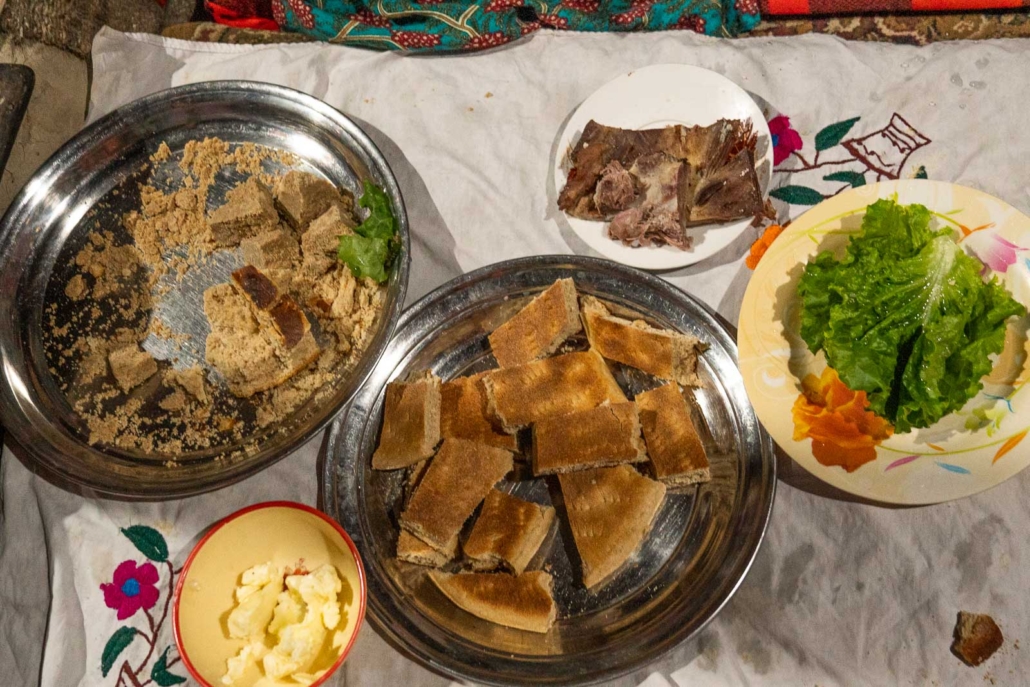
There’s a number of places to stay in Chapursan, most of which are basic homestays or guesthouses.
Keep in mind that Chapursan is a remote region, and amenities will be basic and lowkey expensive compared to other places in Pakistan.
There are now a number of accommodation options in Chapursan spread all throughout the valley. These days, you can choose between a more traditional homestay or more expensive hotels.
Expect to pay around 3000 rupees/day at most places, a rate which sometimes includes meals, but Don’t expect Lahori restaurant variety here!
If you plan to visit outside of the Summer season, be prepared for potentially frozen pipes, and regardless of when you visit, know that running hot water is not possible.
There are also a number of other guesthouses scattered throughout Chapursan Valley. Here are some options along with contact info:
Kirmin
Didar Karim Guesthouse: +92 0355 5295103
Khil
Little Pleasure Guesthouse: +92 0355 4316829
Reshit
Hilltop Guest House: +92 0355 5638988
Village Guest House: Owned by Iqbal Nabi
Sher-e-Subz
Pamir Mountain Guesthouse: +92 0355 5752667
Zoodkhun
Pamir Serai Homestay: +92 0346 522 66 23
Sky Bridge Motel & Resort: +92 0345 5578717
Shah Guesthouse: +92 0355 6544287
Roof of the World: +92 0355 5650623
Read Next: 20 Amazing Places to Visit in Lahore
A note about where to stay in Chapursan:
There have been some reports of unwanted sexual harassment by male family members at Pamir Serai in Zoodkhun. I stayed there with a male friend and had no problems, but solo female travelers should definitely be aware of this and might want to choose one of the other options.
Things to Do in Chapursan Valley
Chapursan is one of those places to simply bask in the magic of nature. If you’re looking for constant activity, you won’t find it here.
Sitting back and relaxing in the pure peace of the valley should be at the top of your Chiporsan itinerary.
But that doesn’t mean a trip to this remote place in Hunza will be boring. Far from it in fact! Here are a few must-dos while visiting:
Visit the Baba Ghundi Shrine

Y’all the hype is real– the Baba Ghundi Shrine is truly the most spiritual place I’ve ever been. Regardless of your personal religious beliefs or lack thereof, the energy present inside this shrine can be cut with a knife.
Along with a truly magical backdrop, it’s not just any historical place in Pakistan: Baba Ghundi is said to have had miraculous powers and is famous for bringing Islam into the Upper Hunza region from Afghanistan.
The shrine is slightly over an hour’s drive (on motorbike) from Zoodkhun. If you don’t have a vehicle, hitching is your best bet. Note that your best chances of finding a lift will be in the summer high season.
Watch a Polo or Buzkashi Match
Polo and buzkashi (a historical game involving a headless goat carcass) are the favorite sports of Chapursan, and in summers, you can often find local matches being held. Ask around to find out when the next match is.
Rent a Yak or Horse

Yaks and horses are plentiful in Chapursan Valley and can be rented to help you out with any trek you desire. Yaks require the animal’s handler to join you. You can easily arrange this with virtually any guesthouse.
Go Trekking
Trekking opportunities in Chapursan are endless. From day treks to viewpoints, to multi-day treks crossing historic passes, you don’t want to leave your hiking backpack at home when visiting Chapursan.
If you’re a foreigner, many of these treks such as the iconic Darwaza Pass that goes from Chapursan all the way to Broghil Valley in Chitral, is off-limits without a (literally impossible to obtain) NOC.
Unfortunately, the Chilinji Pass that connects Chapursan with Broghil Valley (my absolute dream trek) is fully banned, even for Pakistani citizens
Explore Some Mini Lakes

There are a few small lakes a short drive from Zoodkhun. Continue on the road toward Baba Ghundi until you spot an opportunity to turn left.
After a short time, you’ll encounter the lakes which you can even swim in during peak summer weather. Definitely one of the best things to do in Hunza valley if you ask me!
Attend the Amazing Baba Ghundi Festival
I’ve already mentioned the Baba Ghundi Shrine, but did you know one of the most epic festivals in Pakistan takes place right next to the shrine every July?
The festival sees attendees from not only the entire Chapursan Valley, but also nomadic traders from the nearby Afghan Wakhan.
Here you’ll get to see polo, yak polo, and the unique game of buzkashi, along with traditional music and dancing.
The festival takes place on a large ground that’s right next to the shrine. Be sure to check with locals for the exact date of the three-day event as it changes every year.
Internet Connection in Chapursan Valley
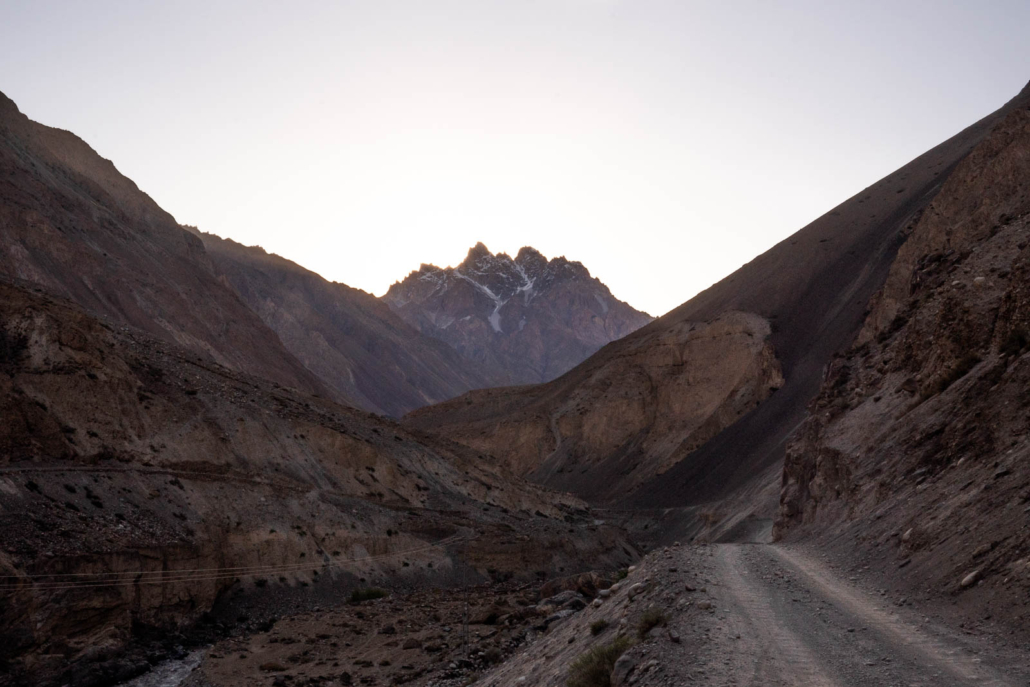
As of 2021, Chapursan barely has 2G signal, and that’s in the upper villages. In Zoodkhun and beyond, you can only expect SCOM 1G, which means only calls will work and NOT WhatsApp or anything else that uses data.
Due to its location near the border, locals don’t expect this to change anytime soon though they say they’ve been promised 3G. Unsurprisingly, WiFi is also not a thing in Chapursan as of yet.
So while Chapursan isn’t a good place to live the digital nomad life in Pakistan, it is a perfect spot for testing out your travel photography lenses, especially at night.
Travel tip: Only SCOM works in Chapursan Valley. Foreigners can only acquire SCOM SIMs at one of the franchise stores in either Gilgit, Aliabad, or Sost.
How to Leave Chapursan
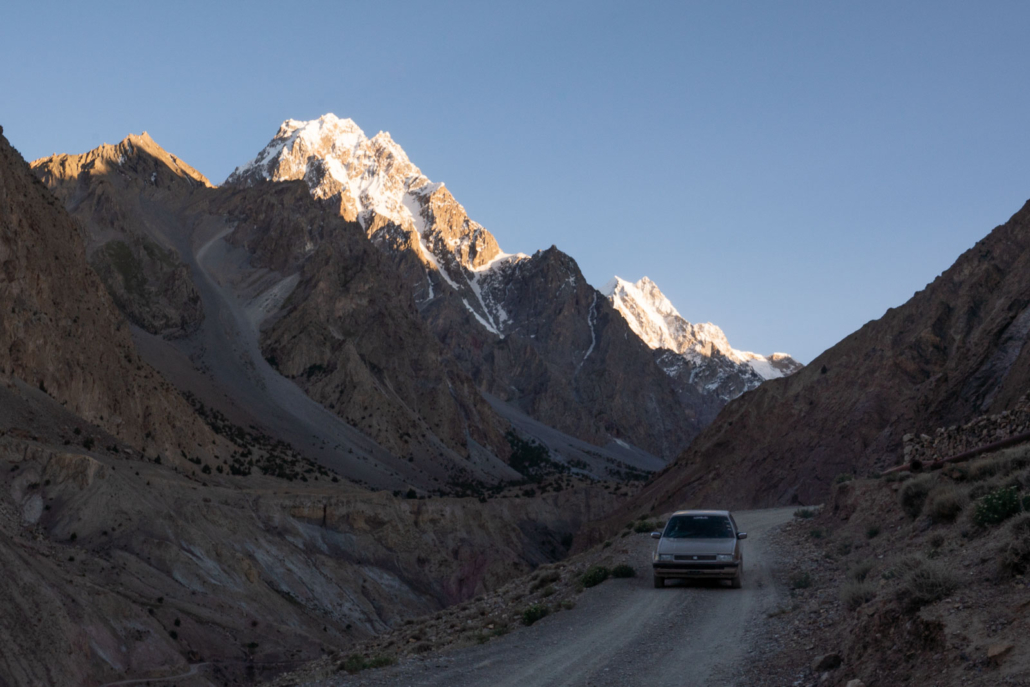
If you have your own driver or vehicle, then you can luckily leave Chapursan at any time of your choosing (though I can’t recommend night driving.)
For everyone else, you’ll either have to patiently wait for a hitchhiking opportunity or reserve a seat on a public jeep back to Sost.
The public jeep leaves Chapursan early each morning, usually by 6 AM at the latest. You can ask your guesthouse owner to reserve a seat for you the night before.
After the slightly perilous jeep ride, you’ll be dropped off at the Sost bazaar where you can catch public transport heading south towards Gilgit, or make your way to one of the other beautiful places in the area.
Onwards Travel From Chapursan Valley

As Chapursan Valley is so remote, it makes sense to check out “nearby” places once you leave. But where to go?
Misgar – Misgar is a relatively small valley compared to Chiporsun, and it’s significantly closer to the road. But the Misgar road is near to Chapursan’s, making it a great next step.
Misgar is perhaps the most offbeat valley in the Hunza district. Due to its proximity to China, foreigners need permission from the Hunza DC office to stay overnight.
Shimshal – The Shimshal Valley has some similarities to Chapursan, but it’s another gem that you can’t miss while in Gilgit Baltistan. Shimshal is a massive Valley with one of the most epic treks in Pakistan—what’s known as the Shimshal Pass.
The Shimshal road begins after a turn-off either before or after the village of Passu, depending on which way you’re coming from.
Khunjerab Pass – As you’ll be quite close once you get back on the KKH, it’s logical to visit the world’s highest paved border after leaving Chapursan Valley.
The Khunjerab border with China is the culmination of a beautiful drive through Khunjerab National Park where you’ll be sure to spot some wildlife like yaks and marmots. The mandatory entrance fee for the park is 600 PKR for Pakistanis and 3000 PKR for foreigners. Gotta love dual pricing…
Read Next: How to Trek to Rakaposhi Basecamp
Chapursan Valley Travel Guide: Final Thoughts!
I hope this Chapursan Valley travel guide makes you feel a bit more confident about your visit to what is TRULY one of the most unique places in Pakistan.
From bizarre rock formations naturally painted with hues of red, purple and green to one of the most spiritual shrines in the country, Chapursan Valley is an adventure lover’s paradise.
Don’t be surprised if you find that just one visit isn’t enough!

Did you visit Chapursan Valley? Let me know what your experience was like in the comments!

Samantha is the founder of Intentional Detours. Originally from the USA, she’s been backpacking the world since 2017, and is passionate about slow, adventure travel that puts local communities first. She has visited 19 countries and has been living in the Karakoram Mountains of Asia’s Hunza Valley since 2021. She’s super passionate about helping people get off the beaten path anywhere (on a budget of course), and her travel writing has been published in the likes of BBC Travel, CNBC, Business Insider, and more.


Nicely written article on Chapursen valley.